

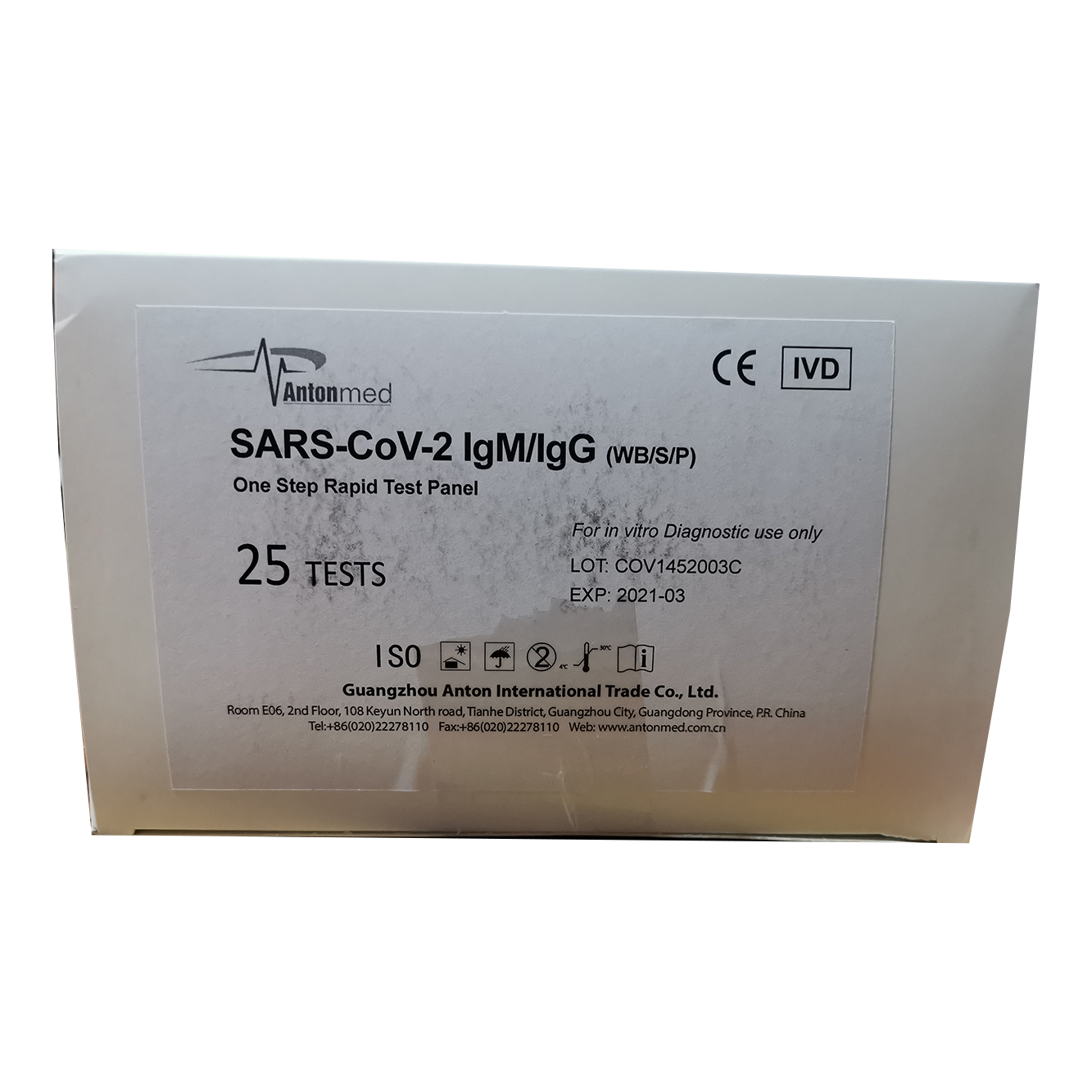
COVID-19 IgG/IgM Rapid Test Kit (25 Tests)
R160.00
)
Description
What is COVID-19?The Severe Acute Respiratory Syndrome Coronavirus 2 (SARS-CoV-2) is an emergent virus responsible for the respiratory illness Coronavirus Disease 2019 (COVID-19). First documented in the city of Wuhan (China), it has spread to most countries across the globe.The original source of SARS-CoV-2 is unknown. It has been reported to have high similarity to coronaviruses found in bats and pangolins, however, neither of these animals are thought to have been sold in the meat market that the earliest patients visited, suggesting an intermediate host.The virus itself is a single-stranded RNA virus from the betacoronavirus genus, along with SARS-CoV, MERS-CoV, and a variety of weaker coronaviruses that typically cause common colds.How COVID-19 SpreadsThe virus is easily transmitted from person to person, primarily via droplets. People are thought to be most contagious when they are showing symptoms, such as coughing.COVID-19 Symptoms
- Fever, a high temperature – you feel hot to touch on your chest or back.
- Cough, a new continuous cough – this means you have experienced more coughing fits than usual.
- Shortness of breath – a difficulty in breathing that can occasionally appear after exercise.
Around 60% of people with coronavirus show mild or no symptoms. Studies show people without symptoms can infect others.How can you prevent getting infected/infecting others?One common piece of advice for avoiding infection is to behave as if you are already infected, and are trying to avoid transmitting the virus to others.Both healthy and infected people can use eye protection (glasses/sunglasses) as well as face masks to block outgoing and incoming droplets.The most effective way to prevent transmission is by self-isolating and avoiding unnecessary contact with other people.A face mask offers protection in 2 ways: it protects other people by preventing any droplets from you, and it protects you from other people who are not wearing face masks and project their droplets onto you. When someone talks, coughs or sneezes they spray small liquid droplets from their nose or mouth which may contain the virus. If you are too close, you can breathe in the droplets, including the COVID-19 virus if the person talking, coughing or sneezing has the disease.Wash and/or sanitise your hands as often as possible. Washing your hands with soap and water or using alcohol-based hand rub kills viruses that may be on your hands.Stay at home as much as possible. Avoid crowded areas, and keep a minimum distance of 2 m away from people not from your household.Do I need a COVID-19 test?Most people have mild illness and are able to recover at home; however testing results may be helpful to inform decision-making about who you come in contact with. You should consider testing if you meet any of the following criteria:
- If you are experiencing any of the symptoms if COVID-19
- If you have come into contact with someone who has COVID-19
- If you have returned from a country with a high incidence of COVID-19
Instructions for Use
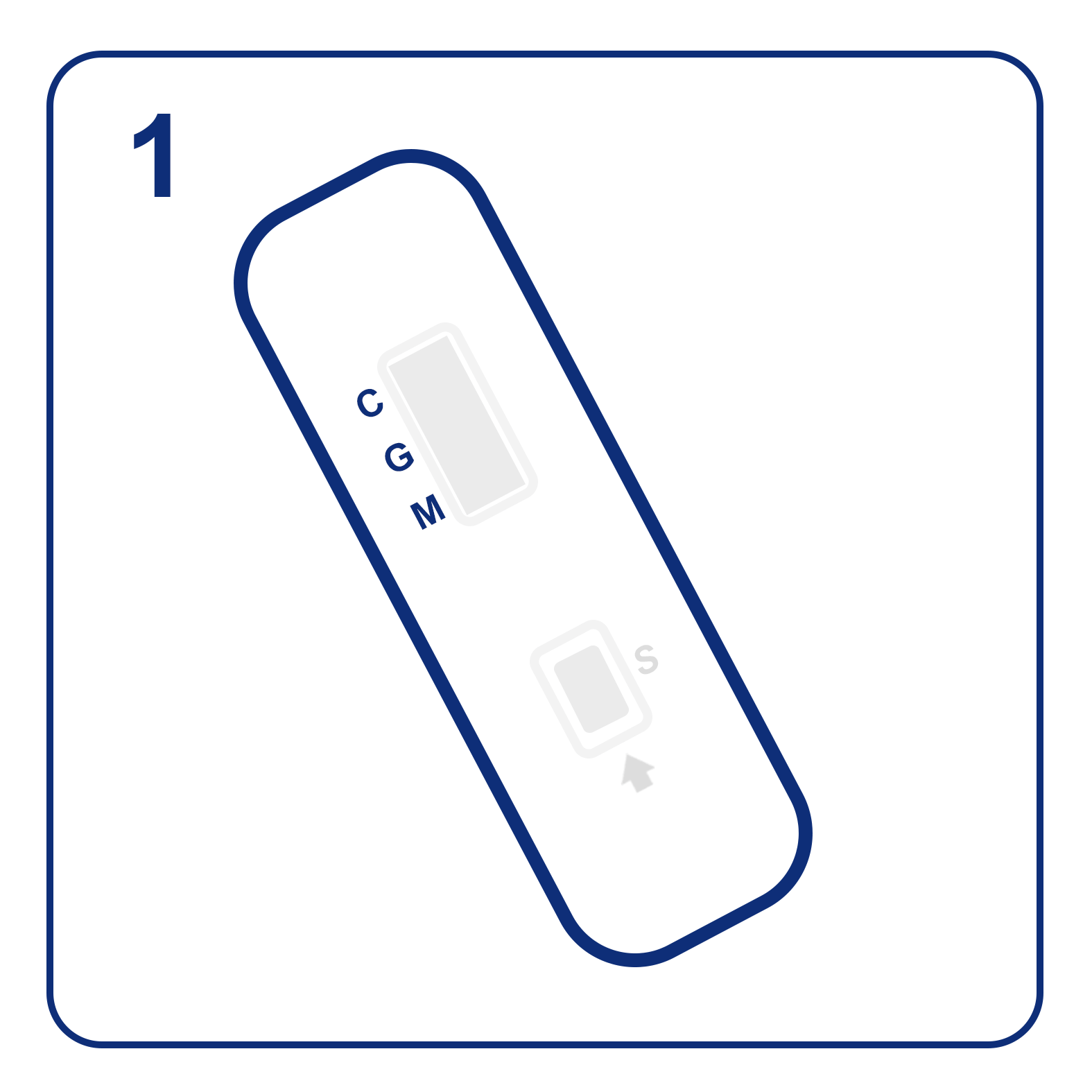 Place the cassette on a level surface at room temperature (15-25°C, 59-77°F). Place the cassette on a level surface at room temperature (15-25°C, 59-77°F). |
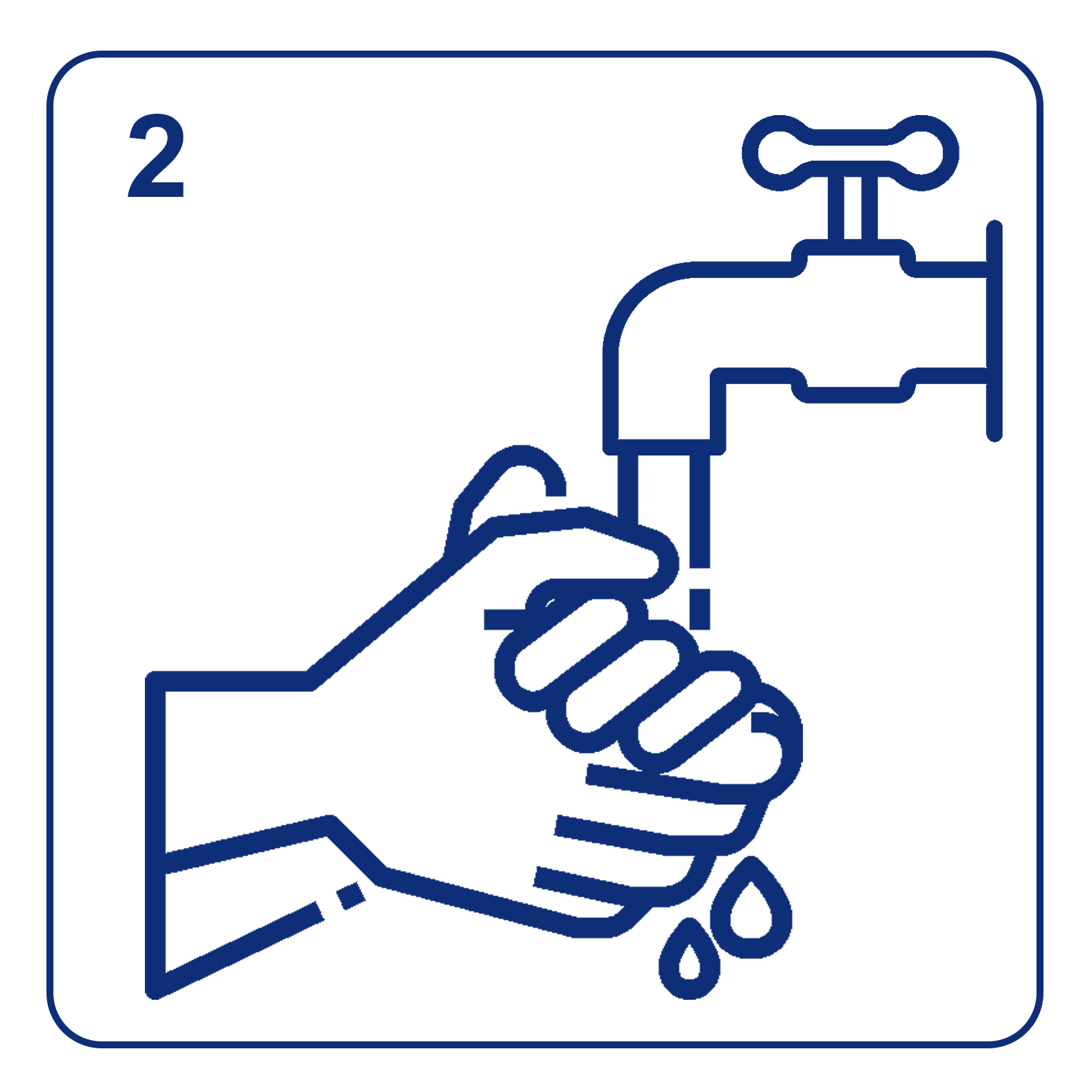 Wash hands thoroughly with soap and water to ensure fingertips are clean and dry. Wash hands thoroughly with soap and water to ensure fingertips are clean and dry. |
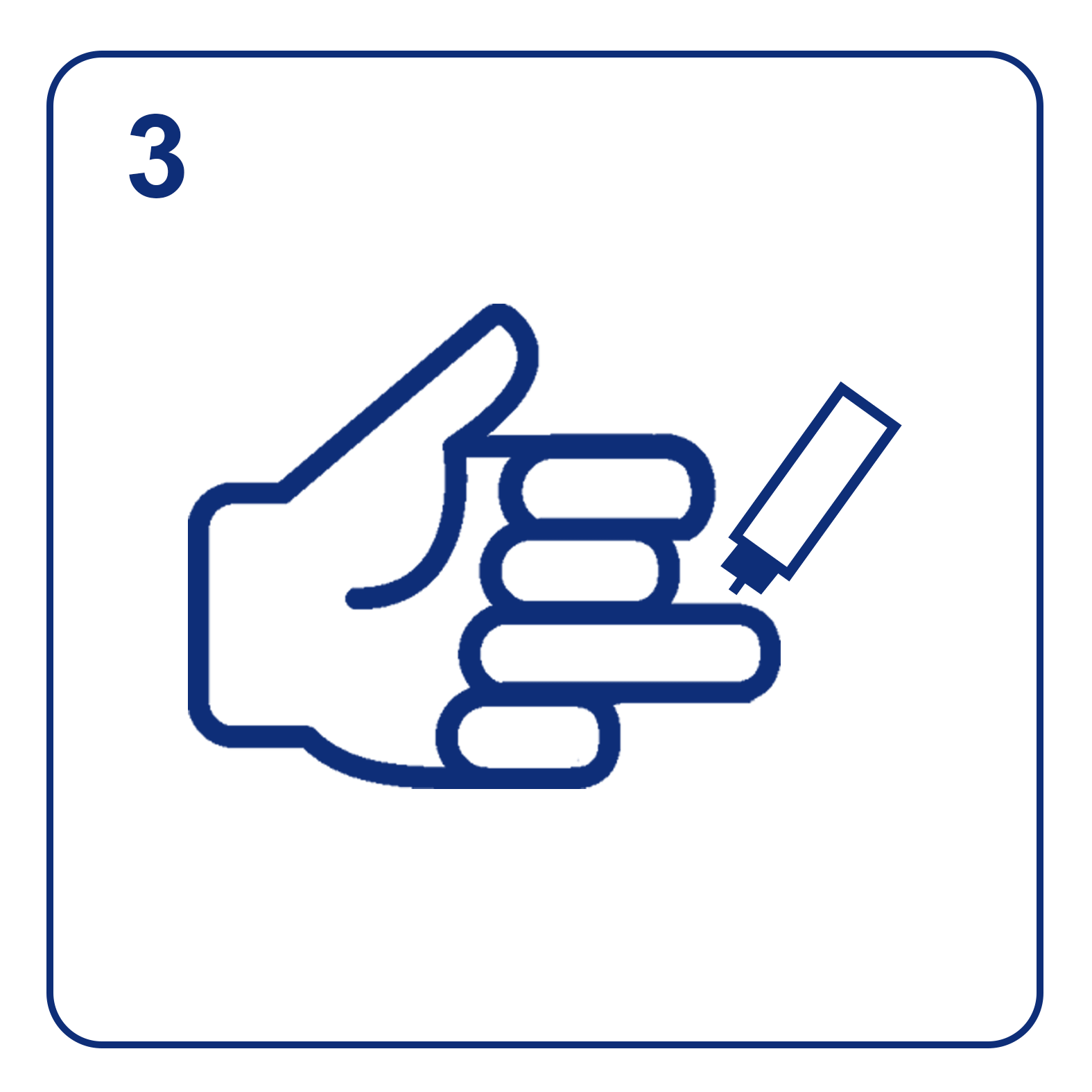 Puncture one of your fingers using the lancet provided. Puncture one of your fingers using the lancet provided. |
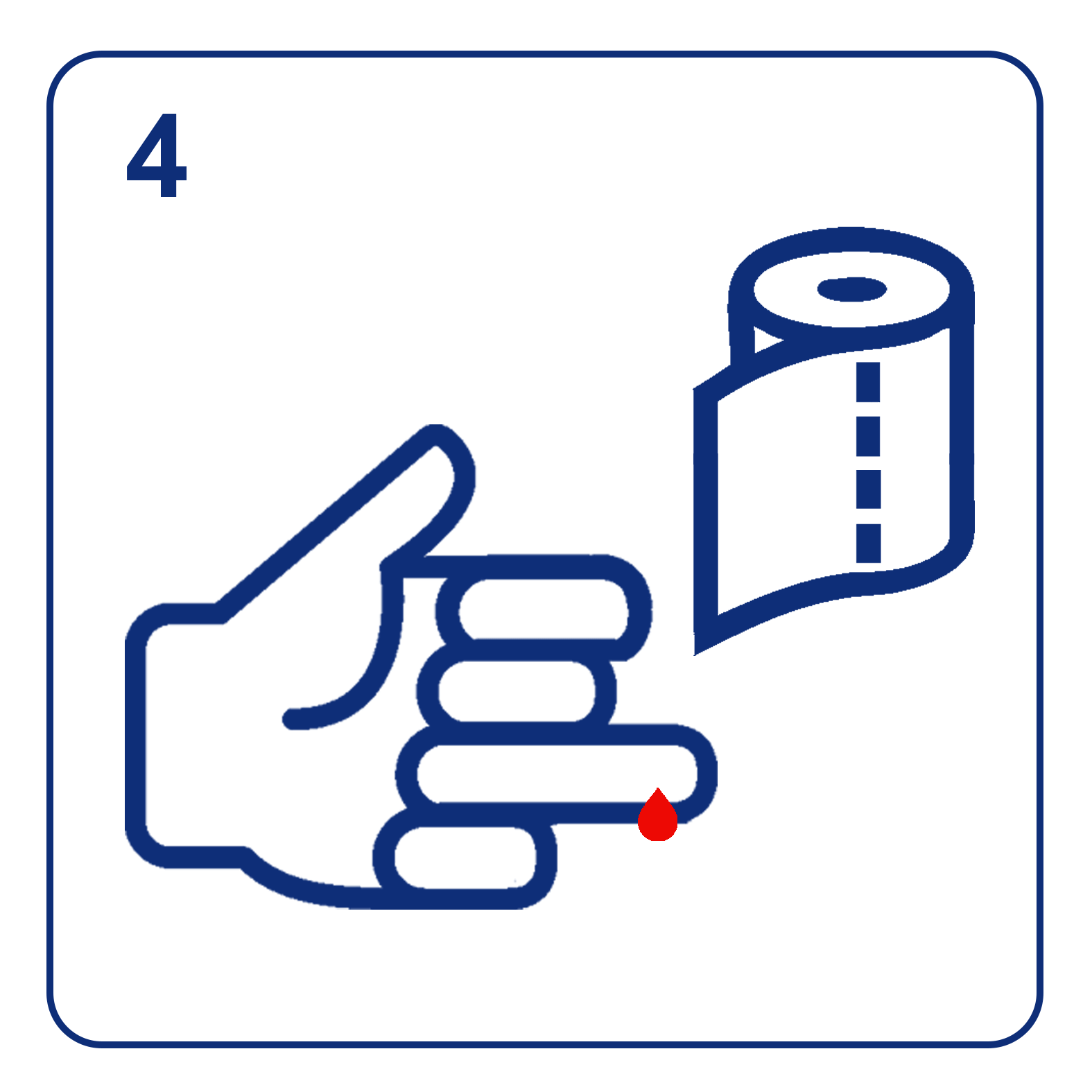 Use a clean paper towel or similar material to wipe off the first drop of blood. Use a clean paper towel or similar material to wipe off the first drop of blood. |
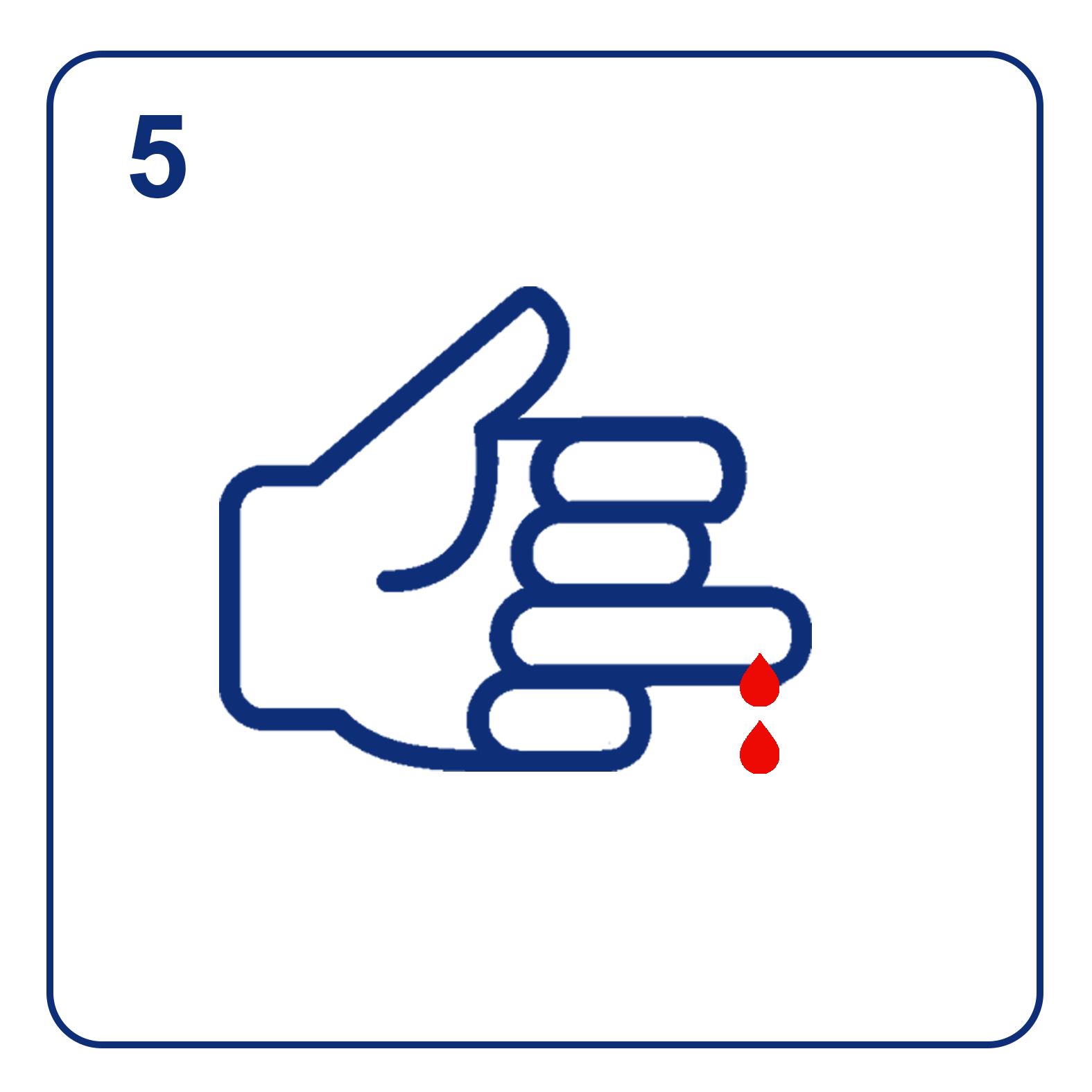 Gently massage the finger from knuckle to fingertip to allow a second drop of blood to form. Gently massage the finger from knuckle to fingertip to allow a second drop of blood to form. |
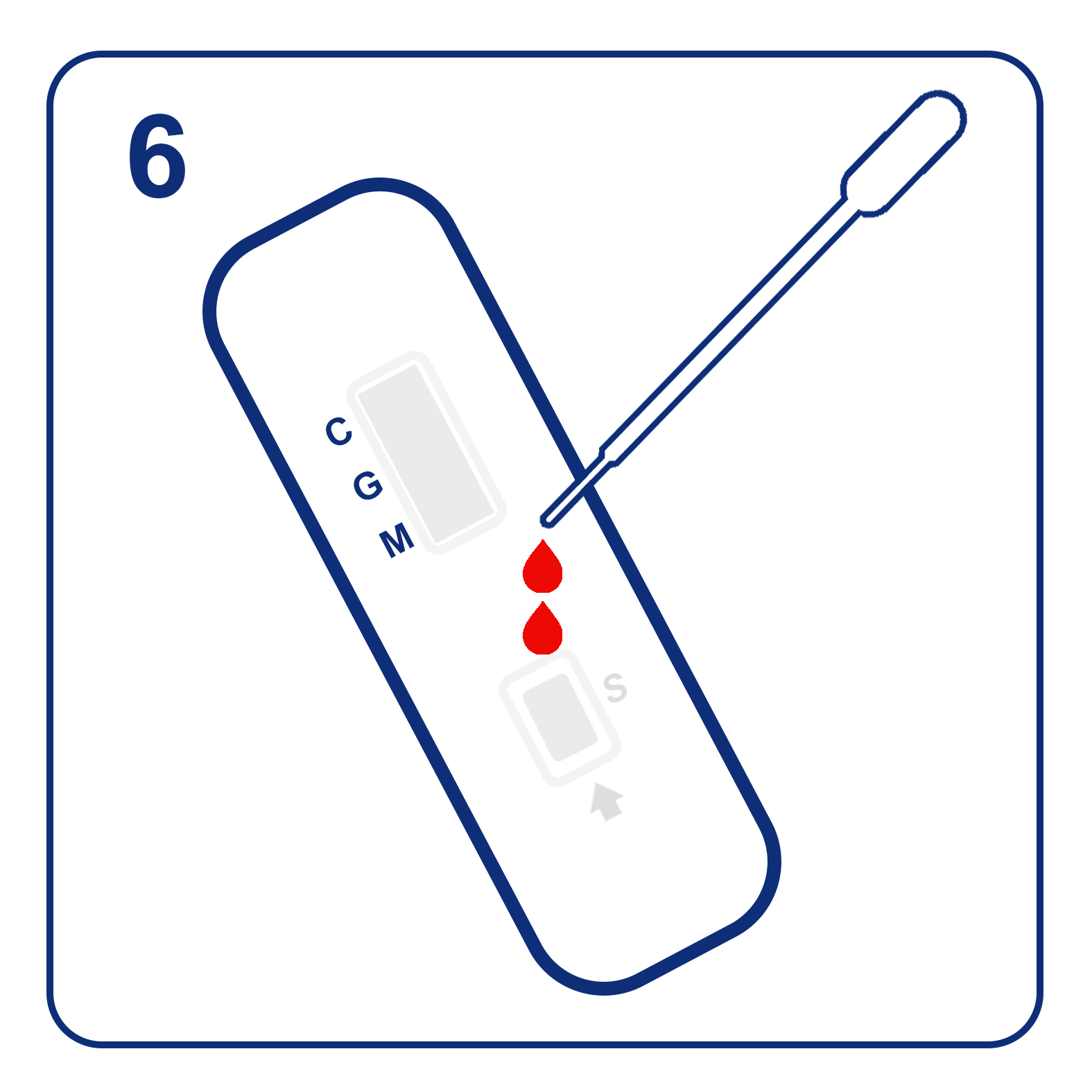 Add 2 drops of blood (using the pipette provided) into the cassette’s well directly above the arrow. Add 2 drops of blood (using the pipette provided) into the cassette’s well directly above the arrow. |
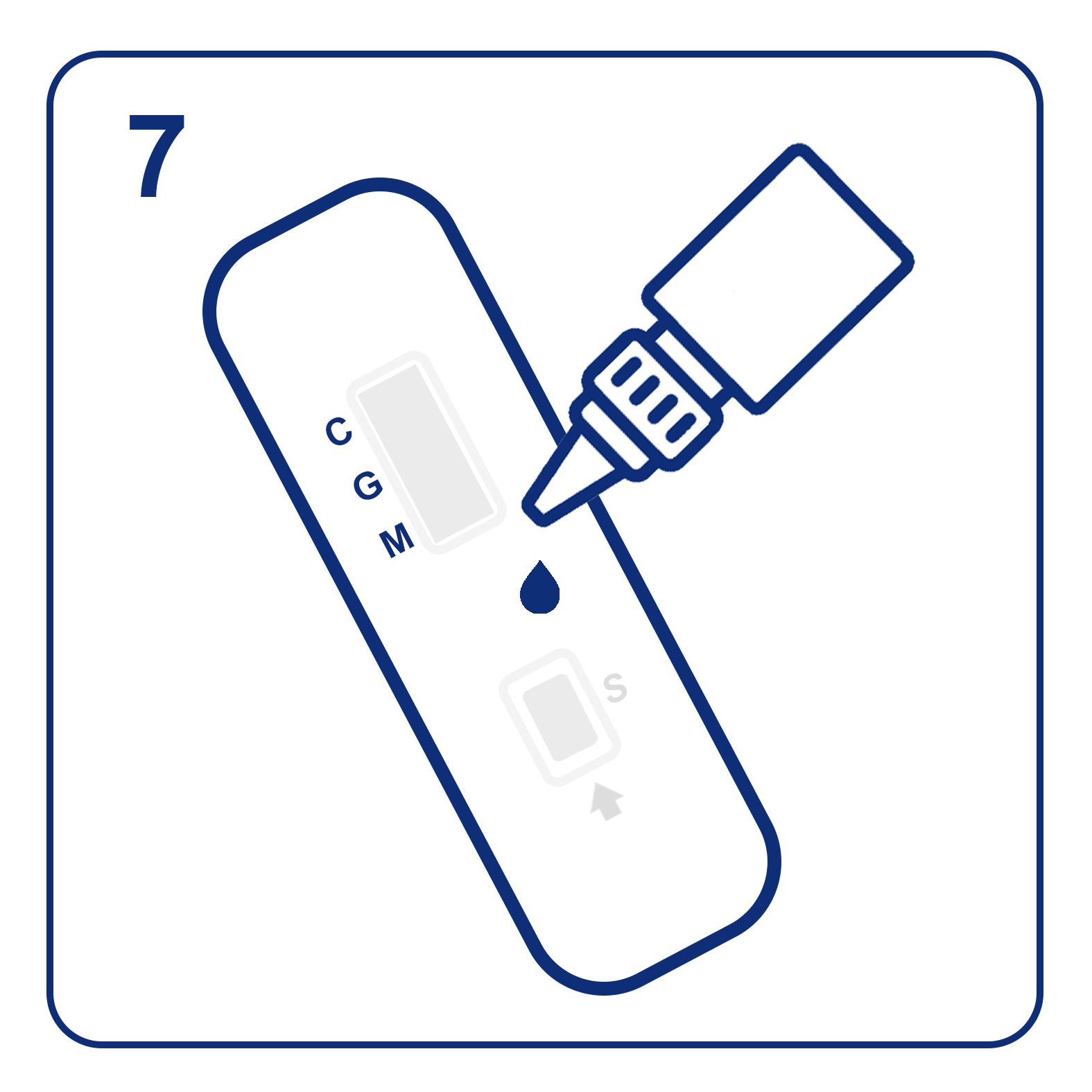 Add 3 drops of buffer (using the same pipette) into the well. Add 3 drops of buffer (using the same pipette) into the well. |
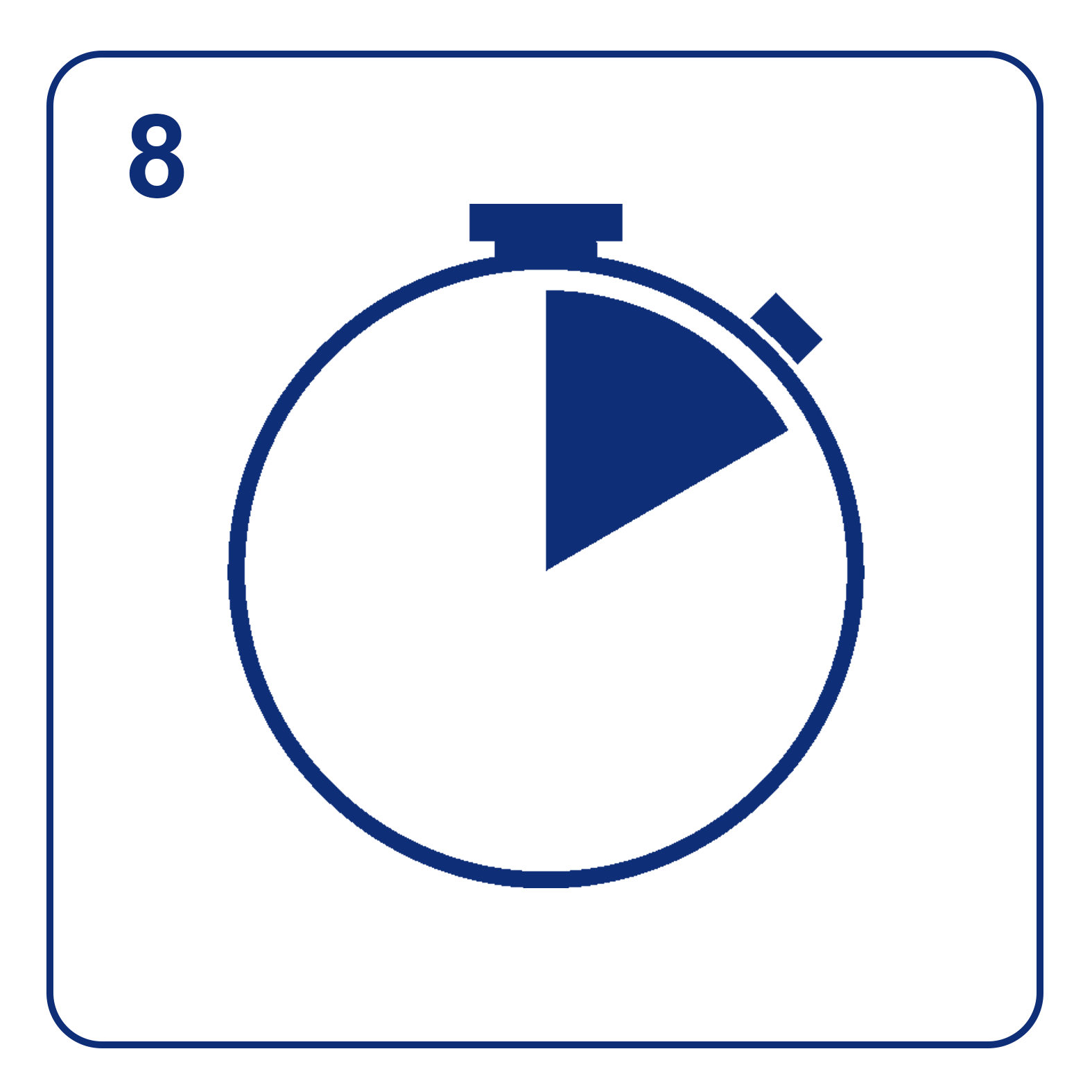 Wait 10 minutes. Wait 10 minutes. |
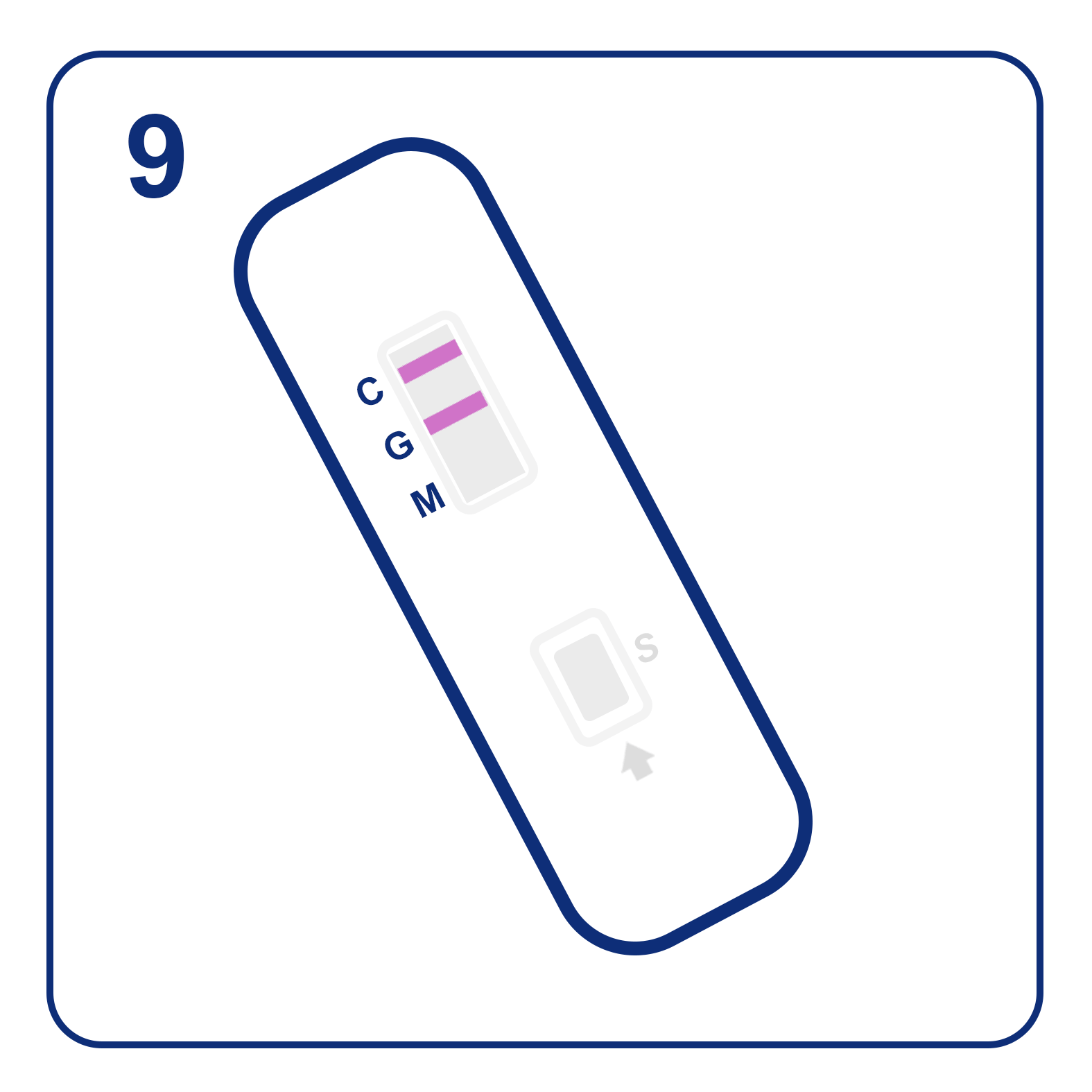 Read the results (see interpretation of results section). Read the results (see interpretation of results section). |
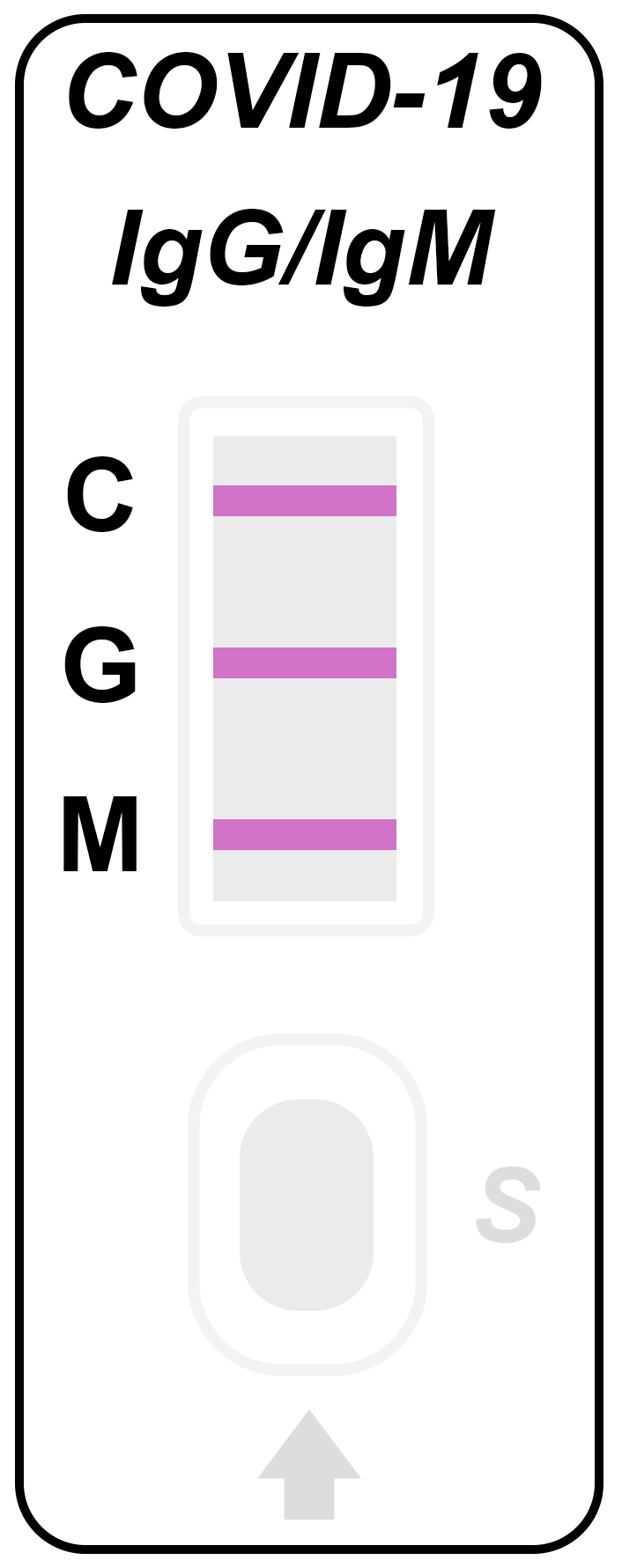
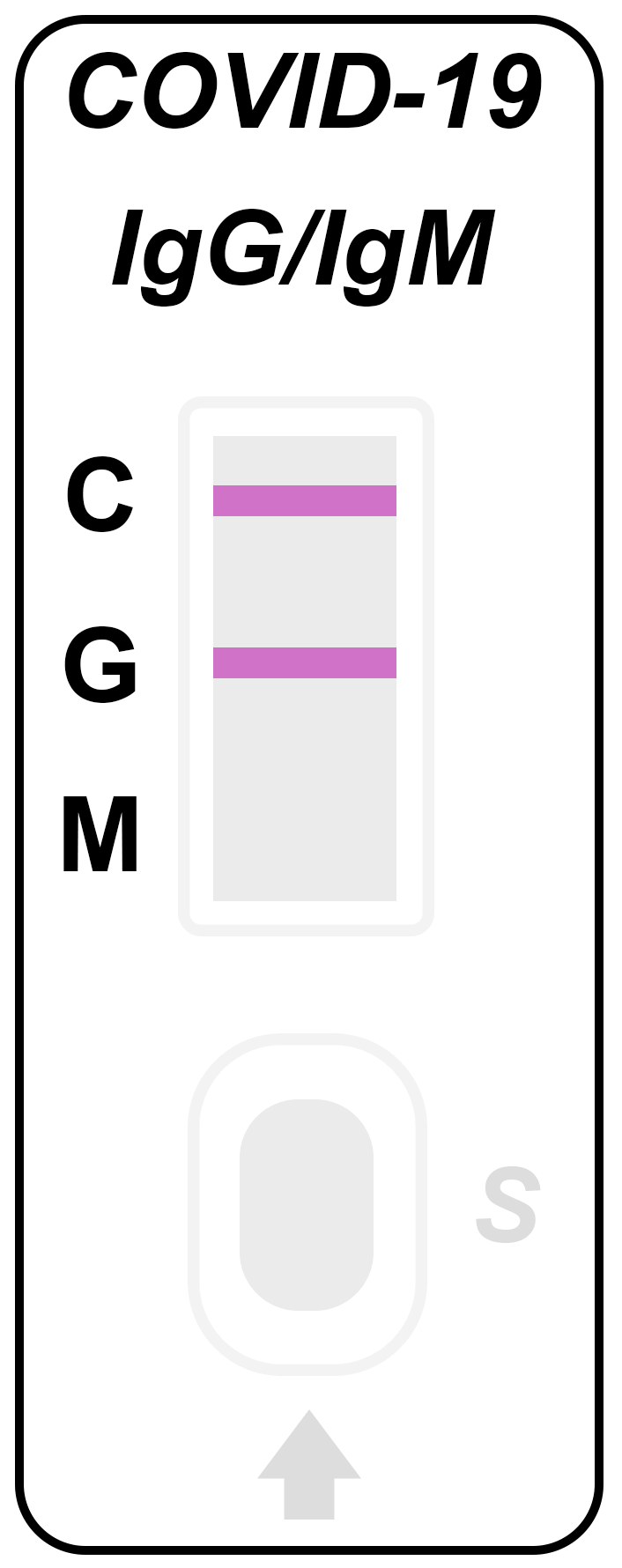
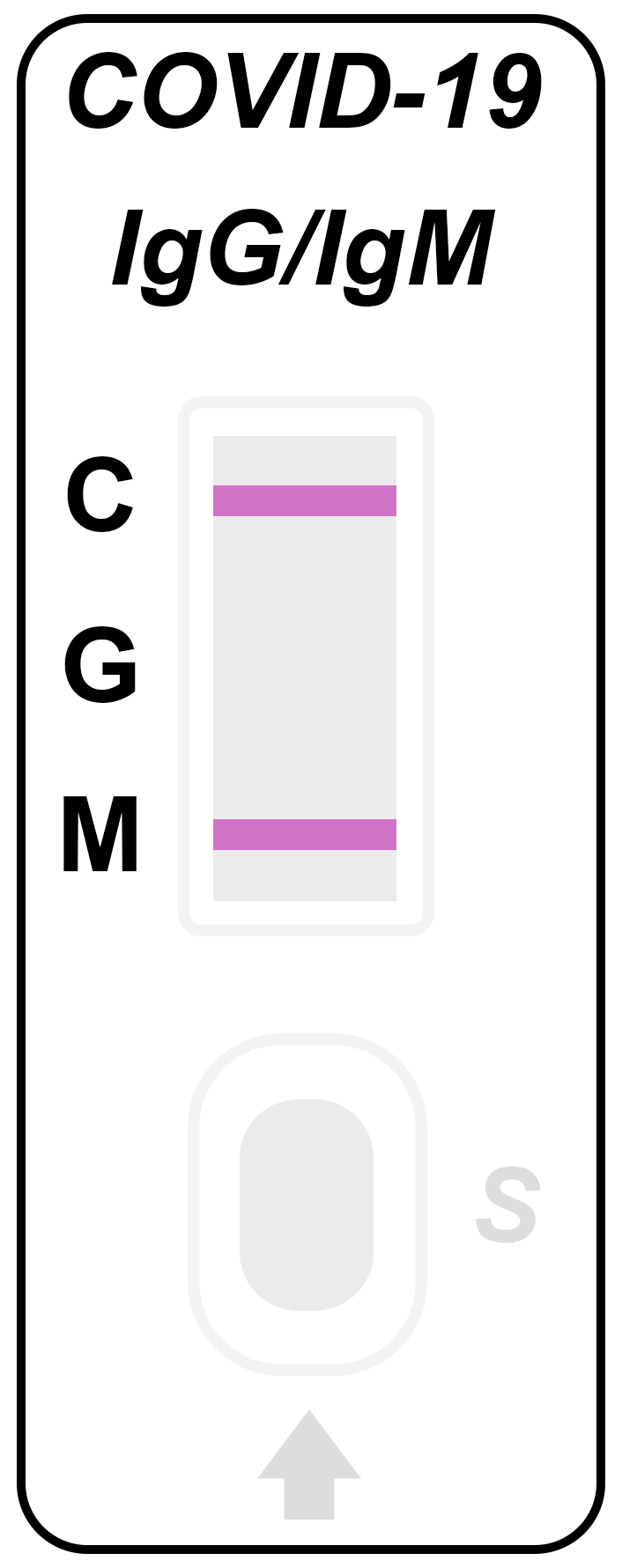
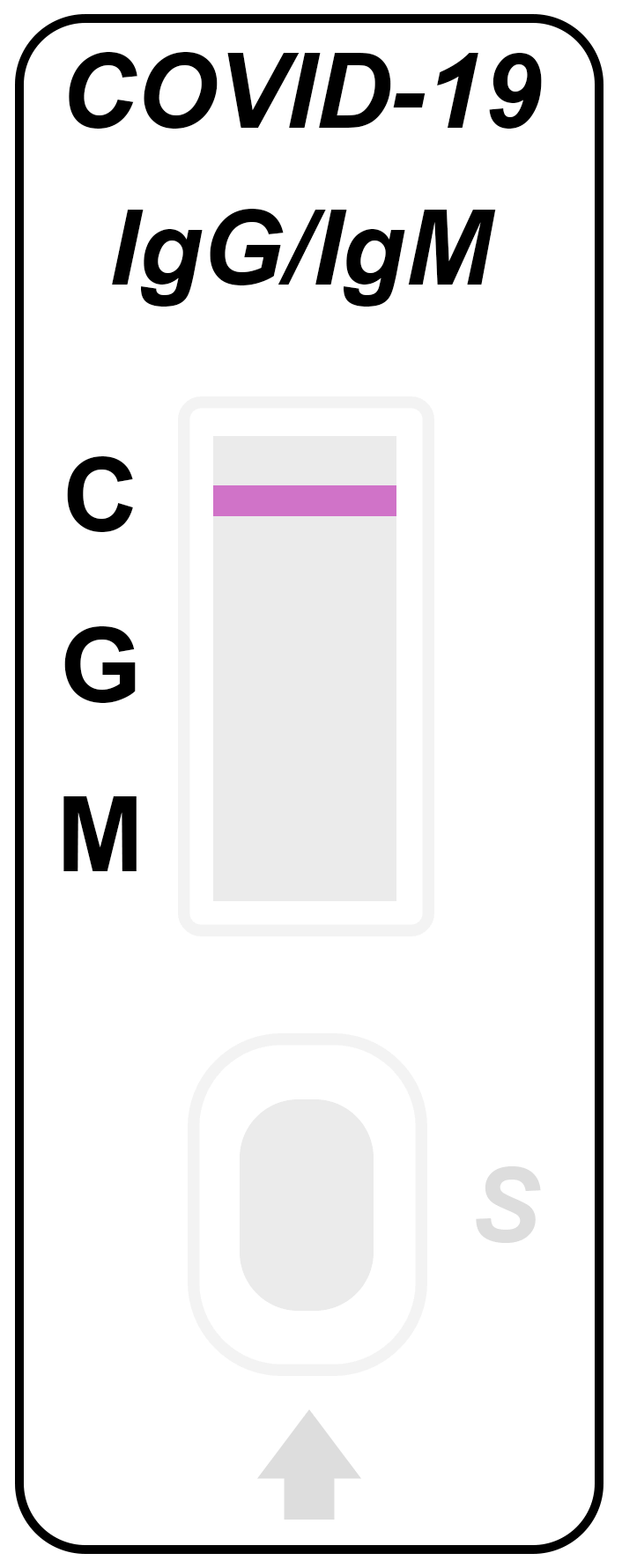
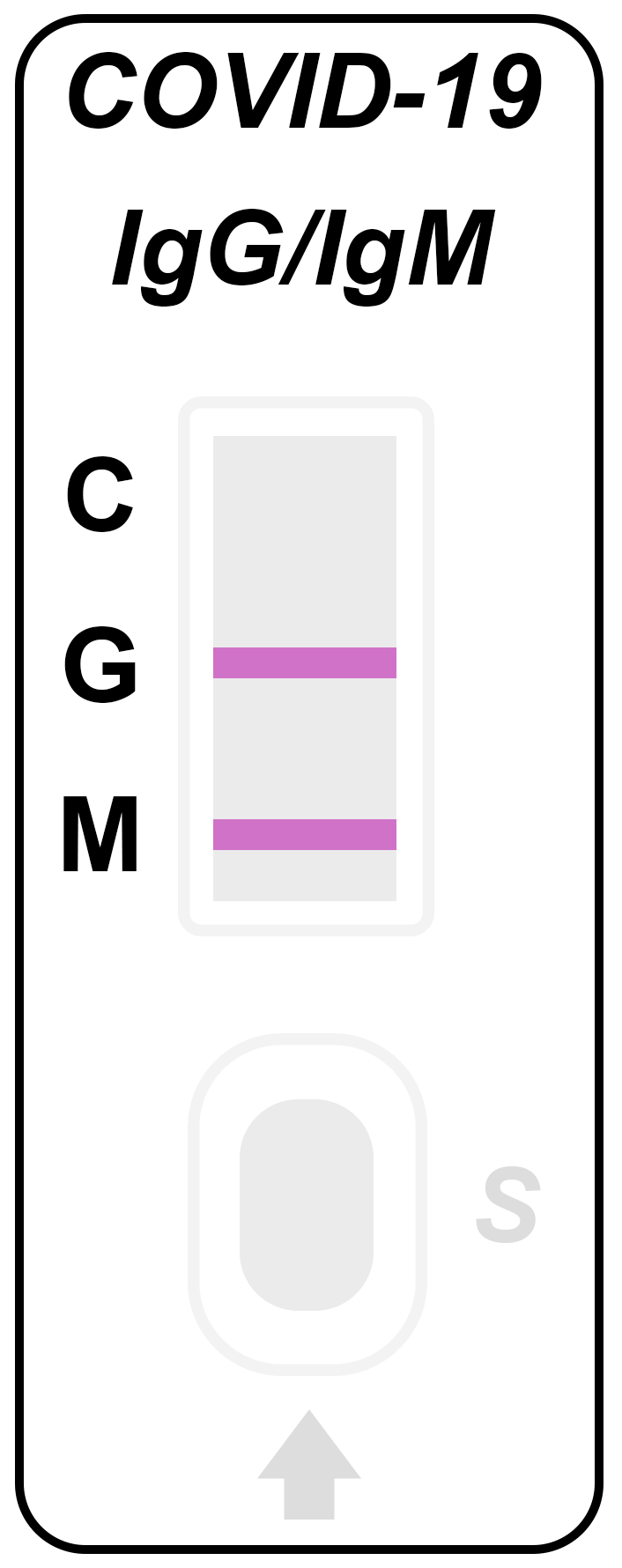
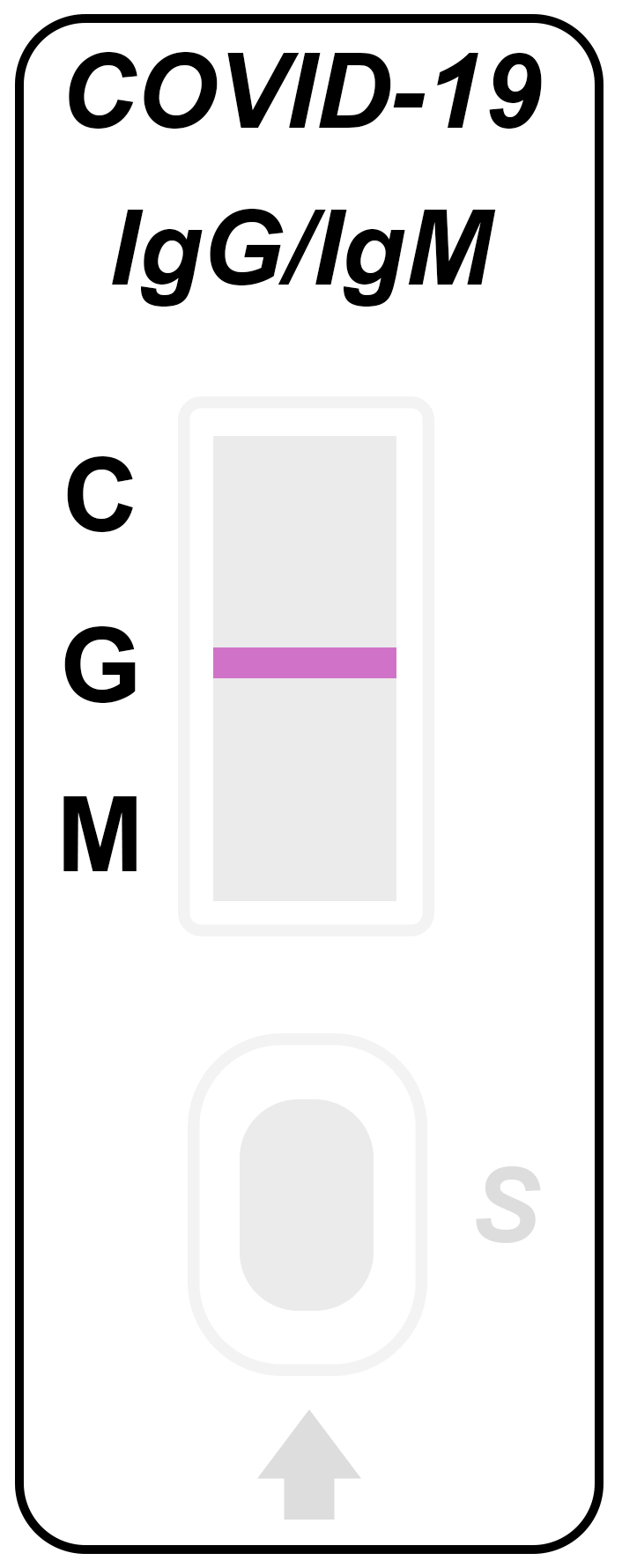
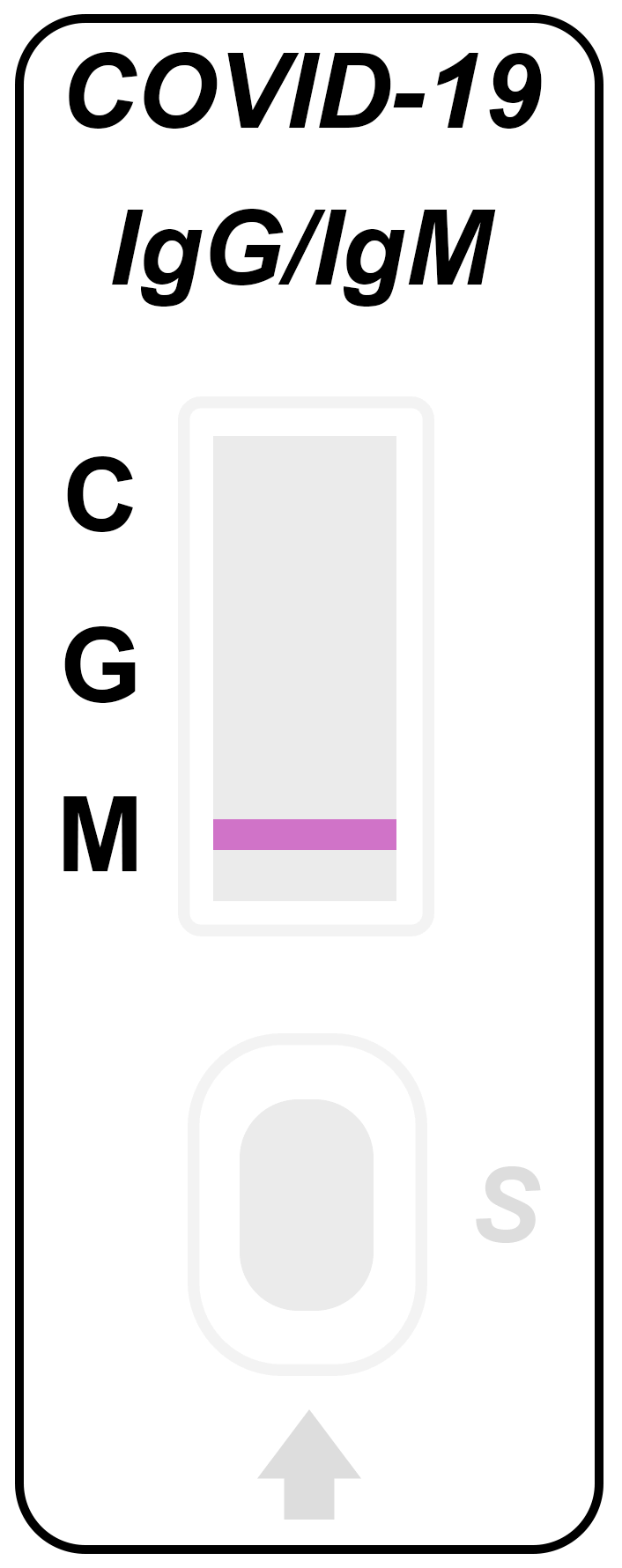
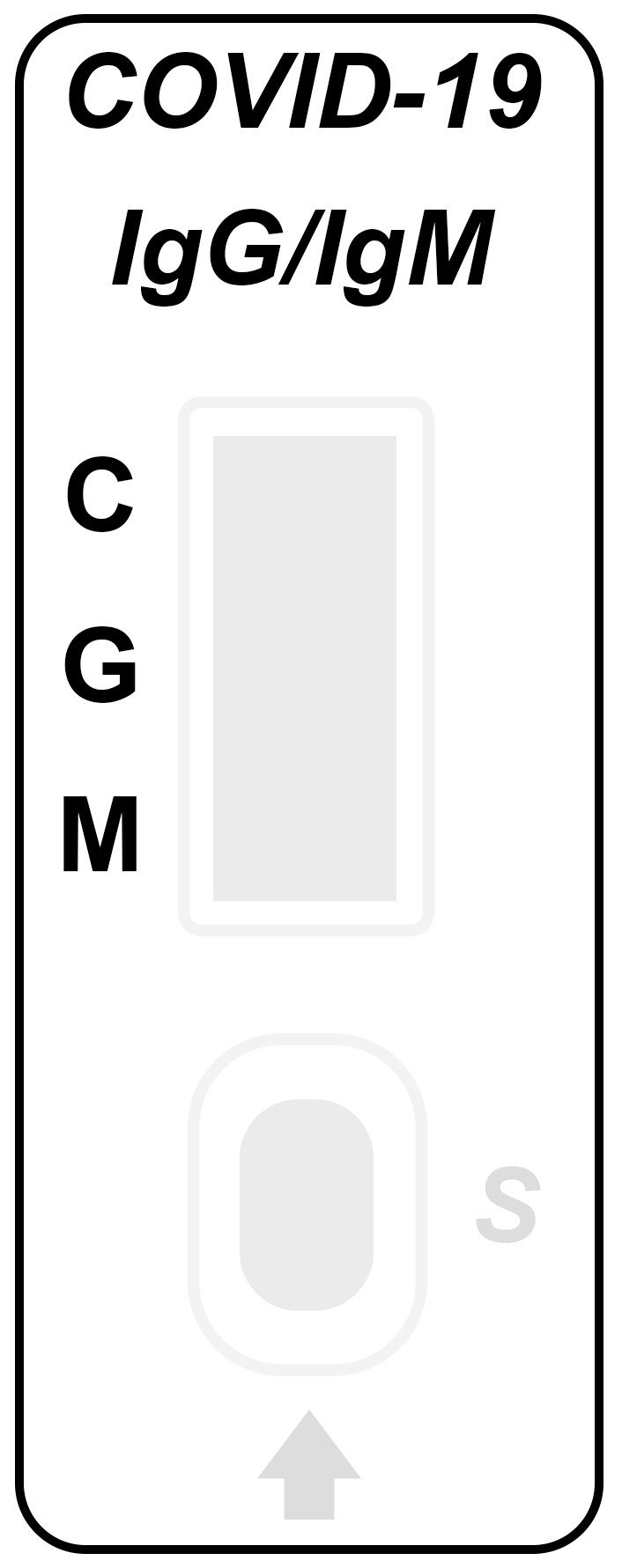
How does the coronavirus test work?COVID-19 Rapid Test Kit is a qualitative lateral flow immunochromatographic assay for the detection of IgM and IgG antibodies to SARS-CoV-2 in human whole blood, serum or plasma samples.The cassette contains antigens from SARS-CoV-2 / COVID-19 conjugated to gold nanoparticles, which are collected by antibodies in the sample. Antibodies against human IgM and IgG are coated in their respective regions on a nitrocellulose membrane, where they create a coloured line due to the gold nanoparticles. A control region on the upper end of the cassette confirms if the test has been successful.How quickly can I get the results?Within 15 minutes.How do I understand the results?The readout should show 1 line in the C (control) region. Purple lines may appear next to the G (IgG) and M (IgM) regions depending on exposure to coronavirus. Faint lines are treated as a positive result.
- C, G, and M regions are positive: user recently infected or re-infected with coronavirus.
- C and G regions positive, M region negative: user previously infected with coronavirus.
- C and M regions positive, G region negative: user recently infected with coronavirus for the first time.
- C region positive, G and M regions negative: user not showing immune response to coronavirus.
- C region negative, G and M regions either positive or negative: test did not function correctly.
 |
 |
 |
 |
 |
 |
 |
 |
What should I do if the test result is positive?If you tested positive (results #1, #2 or #3):
- Do not leave your home
- Get your food and necessities delivered
- Sanitise frequently-touched surfaces, such as doorknobs and bannisters.
If you tested positive (results #1 or #3):
- It is recommended to isolate them in a dedicated room for a minimum of 2 weeks to prevent contagion of other people in the household
If you tested positive (results #2):
- You may or may not be infectious, and separation from vulnerable people is recommended
If you tested negative (result #4):
- You may not have encountered the virus, or you encountered the virus very recently and have not yet formed an antibody response to it.
- If available, a PCR test may help confirm if you have been infected with the virus.
How accurate is the COVID-19 test?Based off a sample of 615 people (403 positive and 212 negative), the test is 95.12% accurate. For best results, we recommend testing between 7 and 14 days after first exposure.What is the mortality rate for COVID-19?The mortality rate for COVID-19 has been difficult to calculate due to the number of undiagnosed cases. Estimates range from 0.02% to 14%; most centre at approximately 2-4%. The threat to the average healthy adult is low, however immunodeficiencies or respiratory illnesses can increase the mortality risk substantially.
| Target | COVID-19 IgG/IgM | ||||||||||
| Reactivity | Human | ||||||||||
| Recommended dilutions | Optimal dilutions/concentrations should be determined by the end user. | ||||||||||
| Storage | Store at 2-30 °C. | ||||||||||
| Validity | The validity for this kit is 12 months. | ||||||||||
| Sample Type | Serum, plasma or whole blood. | ||||||||||
| Kit Components |
|
||||||||||
| Material Required But Not Provided |
|
||||||||||
| Availability | Shipped within 5-12 working days. | ||||||||||
| Note | This product is intended for use by healthcare professionals only.This product is for research use only.This kit is undergoing review by the FDA. |
Reviews
There are no reviews yet.